
Home / Services / Foam Roofing
Residential & Commercial
Foam Roofing in Palm Desert, CA
Seamless spray polyurethane foam roofing with reflective coatings for the flat and low-slope roofs the desert is known for.
Foam roofing in Palm Desert is a genuine local category, not an add-on service. Flat and low-slope roofs crown the mid-century and contemporary homes that define the Coachella Valley, and those roofs take the full force of desert sun from dawn to dusk. A spray polyurethane foam roof insulates the building from the outside, sheds radiant heat instead of absorbing it, and renews with periodic re-coats rather than tear-offs. Palm Desert Spray Foam Insulation installs closed-cell SPF roofing systems with reflective elastomeric coatings built for Climate Zone 15, where the roof is the single most important surface on the building.
How a foam roofing system works
The system has two components working together. Closed-cell spray polyurethane foam is applied directly over the prepared roof deck, expanding into a seamless, monolithic layer that insulates and seals in one pass. There are no joints or seams for heat or water to find. Over the foam goes a reflective elastomeric coating, the protective skin that shields the foam from ultraviolet exposure and bounces solar energy away before it can become heat inside the building. The result is a roof that is insulation and waterproofing at once, with no thermal bridges and no fastener penetrations through the deck.
Heat rejection on a desert roof
A dark built-up roof under Coachella Valley sun can run 60 to 80 degrees hotter than the air temperature, and every degree of that heat pushes through the deck toward the rooms below. A white elastomeric coating flips that equation, reflecting the majority of solar radiation back off the surface while the foam layer beneath resists whatever heat remains. For cooling-dominated buildings where the air conditioner runs from May through October, that combination attacks the largest source of heat gain the structure has. Tile-roof homes benefit from attic-side work, but flat-roof homes have no attic buffer at all, which makes the roof surface itself the right place to invest.
Ponding, drainage and low-slope realities
Flat roofs are rarely perfectly flat, and when the desert does get rain, it arrives in sudden monsoon-style bursts that test every low spot. One advantage of spray-applied foam is that it can be built up in tapered thicknesses, adding material to low areas and shaping positive drainage toward drains and scuppers as part of the application. Ponding water that would sit on a conventional roof and shorten its life can often be engineered out during the foam install. We assess drainage during the estimate and note any tapering in the written scope.
Re-coat cycles: a roof that renews instead of dies
Conventional flat roofs age toward a tear-off. A foam roof ages toward a re-coat. The foam layer itself does not wear out under normal conditions; the elastomeric coating is the sacrificial surface, and desert UV exposure means it needs renewal roughly every ten to fifteen years depending on thickness and exposure. A re-coat is a fraction of the cost and disruption of a replacement, and each re-coat restores full reflectivity and protection. Many valley foam roofs have been re-coated through multiple cycles on the same original foam.
Foam roofing estimates in the Coachella Valley
Every foam roofing estimate starts on the roof. We measure the area, check the existing deck and any old roof coverings, map drainage and ponding areas, and look at parapets, penetrations and equipment curbs that shape the detail work. You get a written, itemized scope naming the foam thickness, the coating system and the warranty terms. Call 760-790-4307 or use the quote form to schedule a free visit. We also handle spray foam insulation inside the envelope and attic insulation when the project extends beyond the roof.
Questions
Common questions
Is foam roofing a good fit for flat desert roofs?
Yes. Foam roofing insulates from the outside, reflects solar heat with its elastomeric coating and has no seams for heat or water to exploit. Those qualities line up directly with what flat and low-slope roofs face in the Coachella Valley.
How long does a foam roof last in desert sun?
The foam layer holds up for decades. The reflective coating over it is the maintenance item, and it typically gets renewed every ten to fifteen years with a re-coat that costs a fraction of replacement and restores full reflectivity.
Can foam fix ponding on my flat roof?
Often, yes. Because the foam is spray applied, it can be built up in tapered layers to create positive drainage toward drains and scuppers, reducing or eliminating the low spots where water ponds after desert storms.
Want to know what your foam roof would cost?
Tell us about the building and we will walk the roof before quoting anything.
Free written estimates • No obligation • Local team
Explore more
Other insulation services
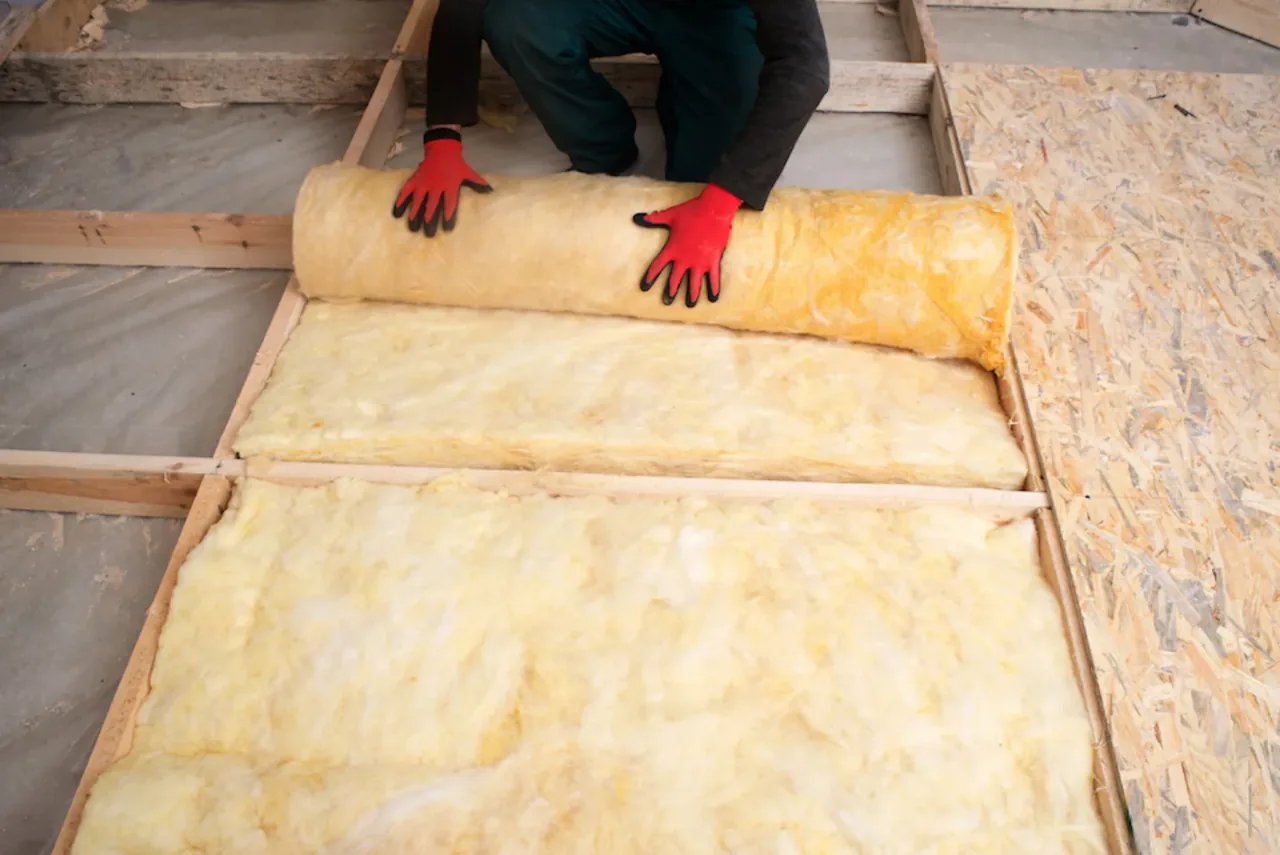 Spray Foam InsulationOpen-cell and closed-cell spray foam that insulates and air seals in one pass, for walls, roof decks and the full building envelope.Explore service →
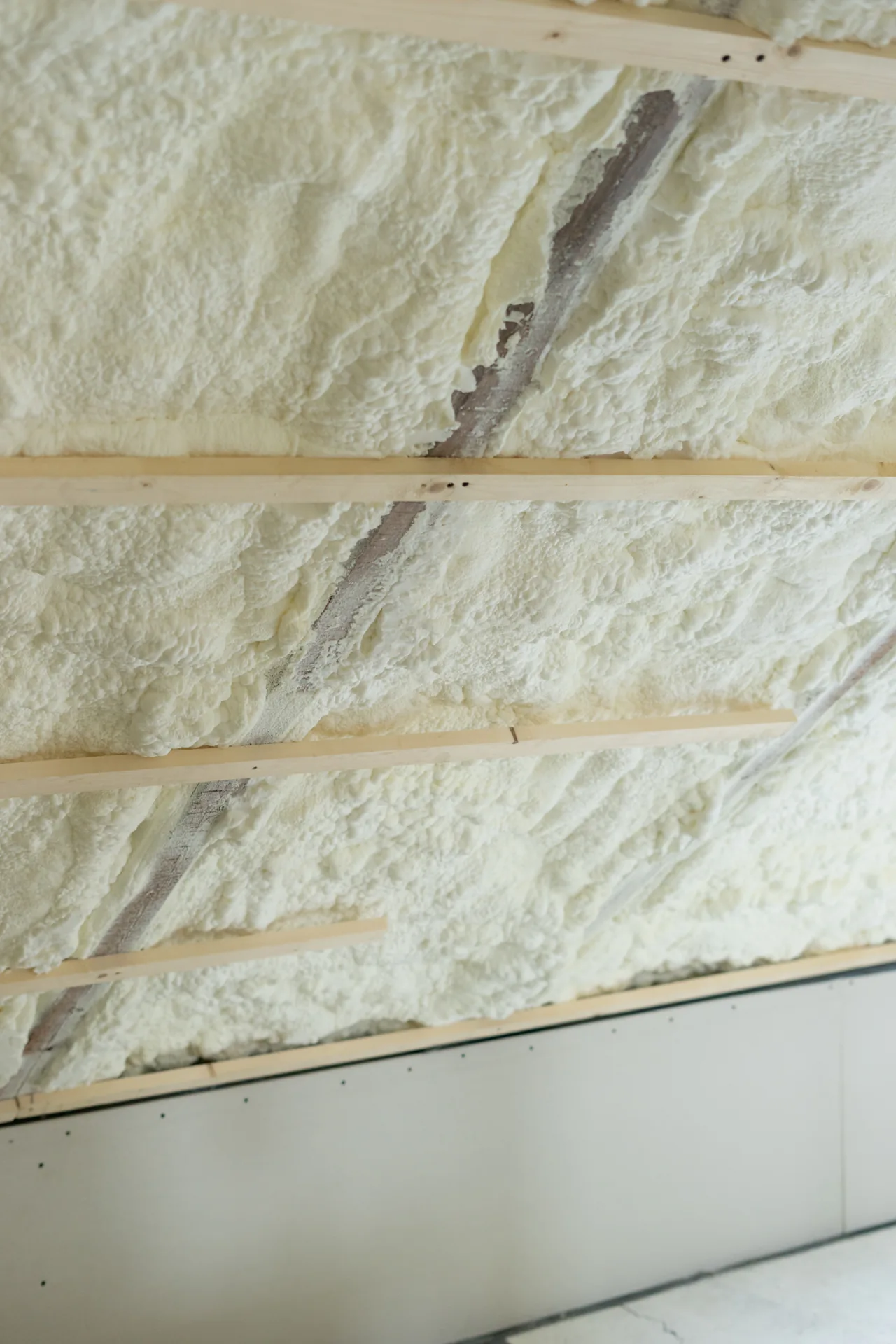 Attic InsulationAttic air sealing and insulation that reject radiant heat at the roof and take real load off your cooling system.Explore service →